Palm Beach County · Floor Leveling Contractor
Self Leveling Concrete in Palm Beach County
Self leveling concrete work done right: we level existing floors with self-leveling underlayment and poured concrete — so your tile, LVP, and hardwood go down flat, tight, and right the first time.
- Walkable in hours*
- Large-format tile flatness
- All 39 municipalities
- Floor leveling is our focus
- All of Palm Beach County
- Free on-site estimates
- Prep to flooring specs
What we do
Flat floors, built from the substrate up
Every finish floor is only as good as what’s underneath it. We correct out-of-level and uneven floors before your flooring installer shows up — using the right material for the depth and the flooring.
01Self-Leveling Underlayment
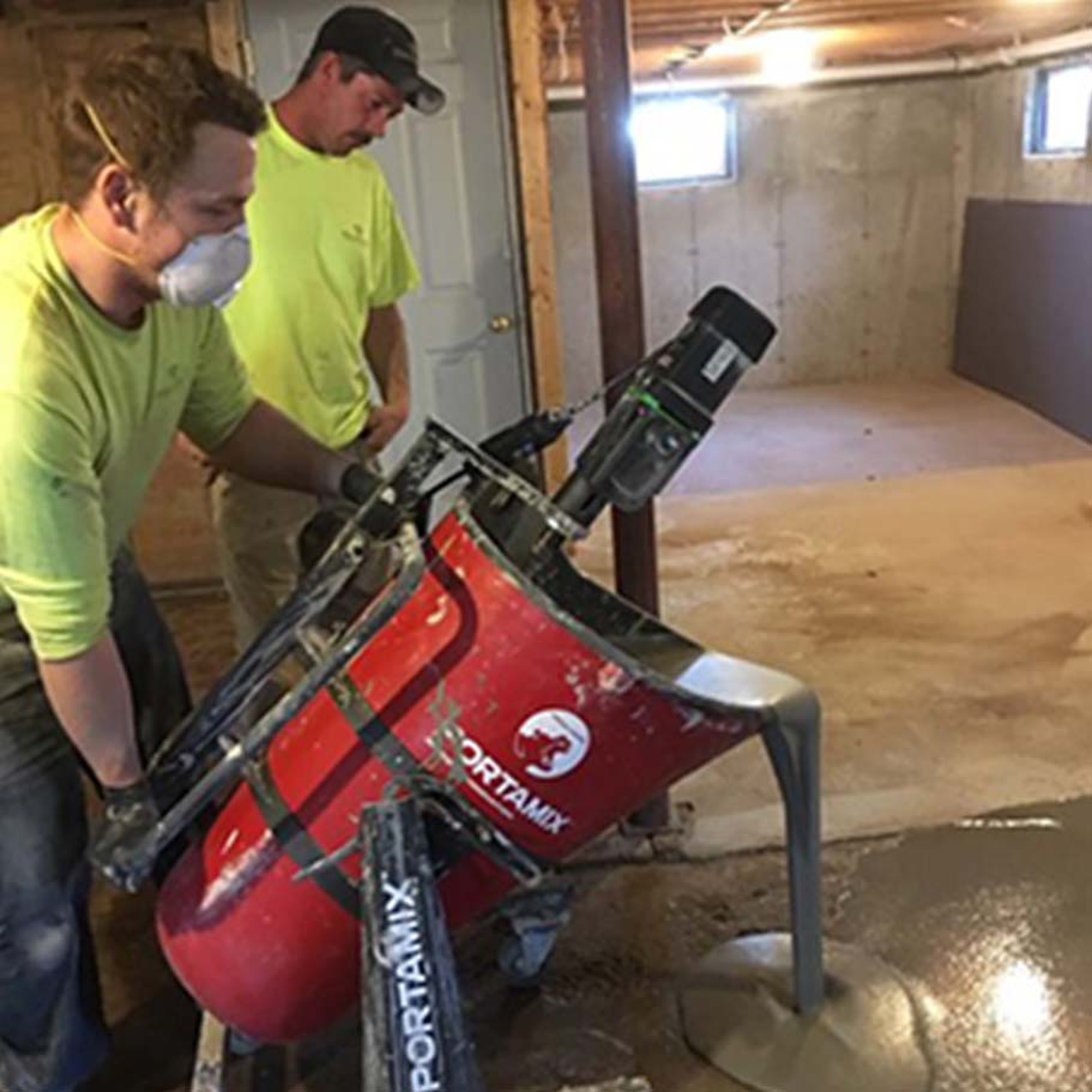
Polymer-modified cementitious SLU poured or pumped over a prepared floor to create a flat, smooth substrate for finish flooring.
Learn more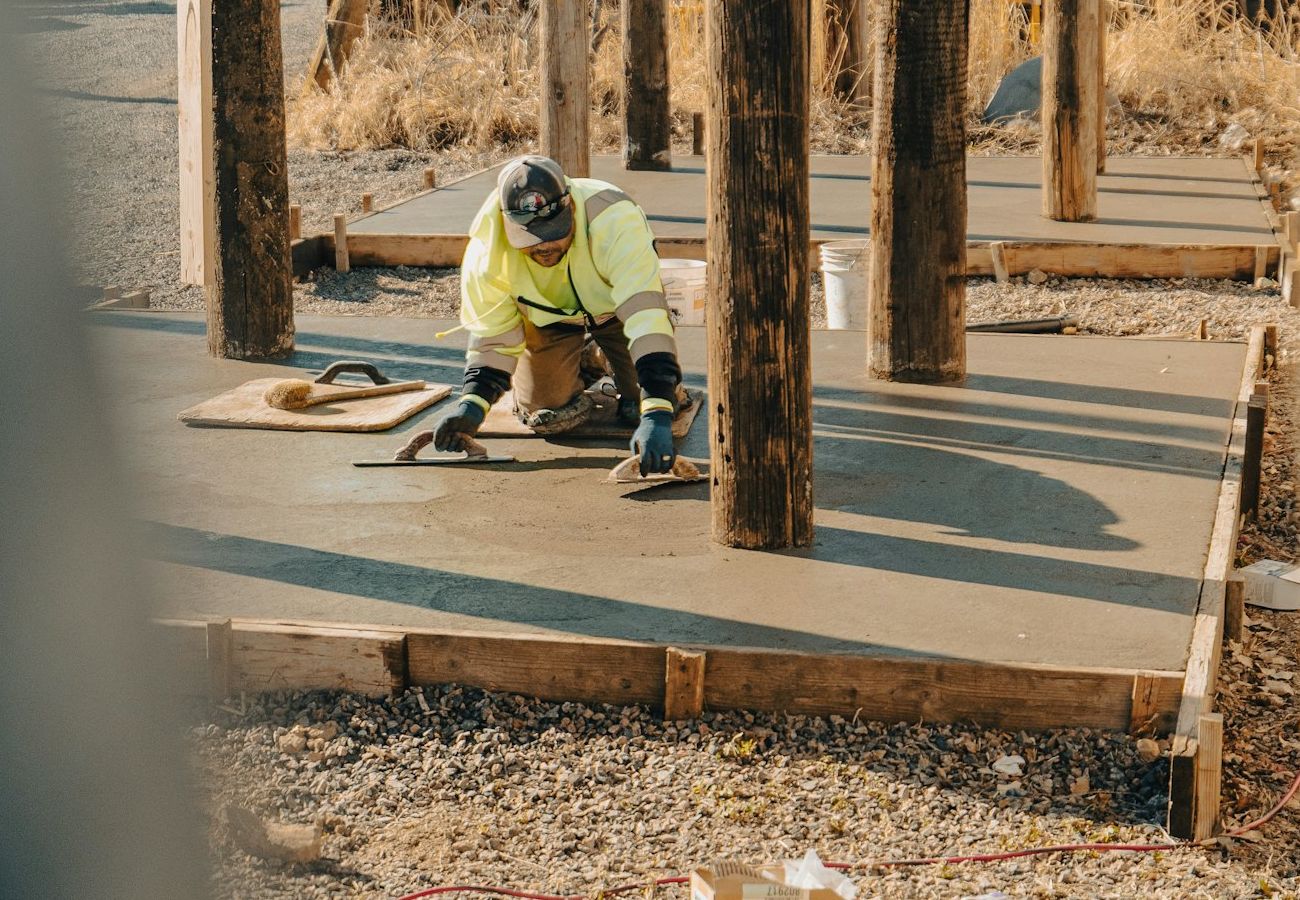 02
02Concrete Floor Leveling
Concrete poured where floors are severely out of level — sunken areas, step-downs, demo patches — to raise elevations before finishes.
Learn more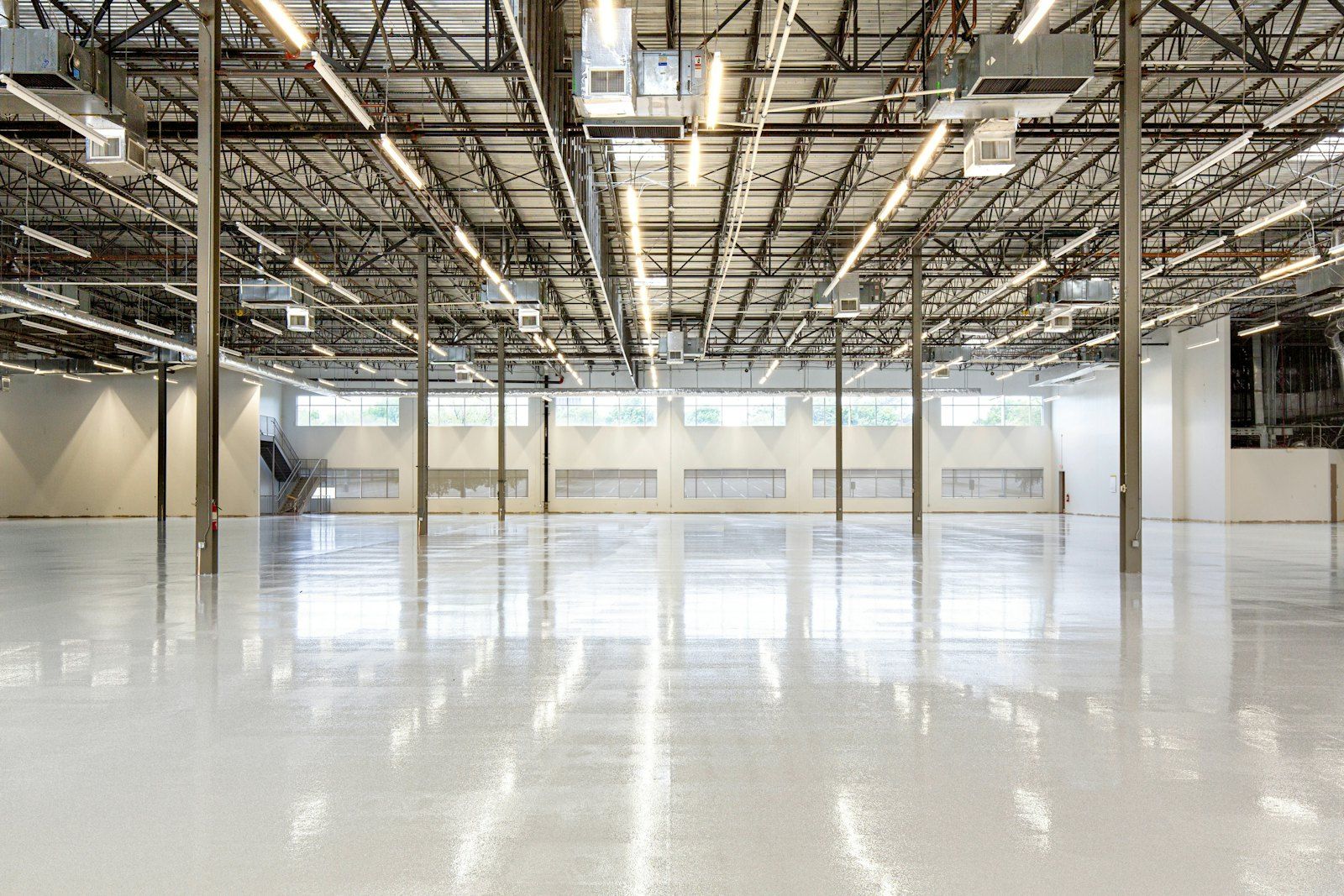 03
03Subfloor Preparation
Cleaning, diamond grinding as needed, crack and joint repair, and priming so the self-leveler bonds to a sound surface.
Learn more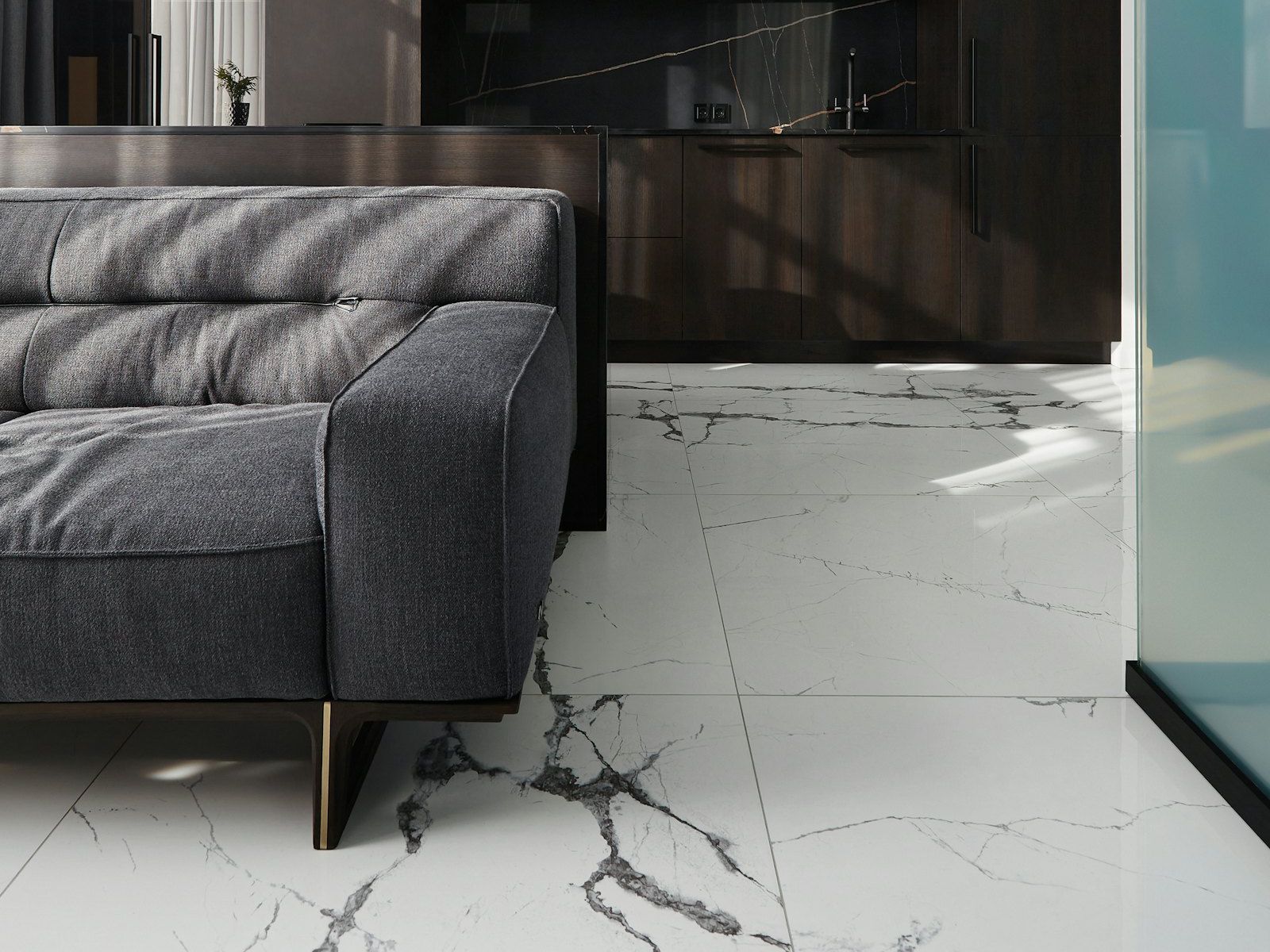 04
04Finish-Floor Substrate Prep
Flatness for large-format tile, LVP/LVT, VCT, and hardwood — prepped to the tolerance your flooring manufacturer calls for.
Learn more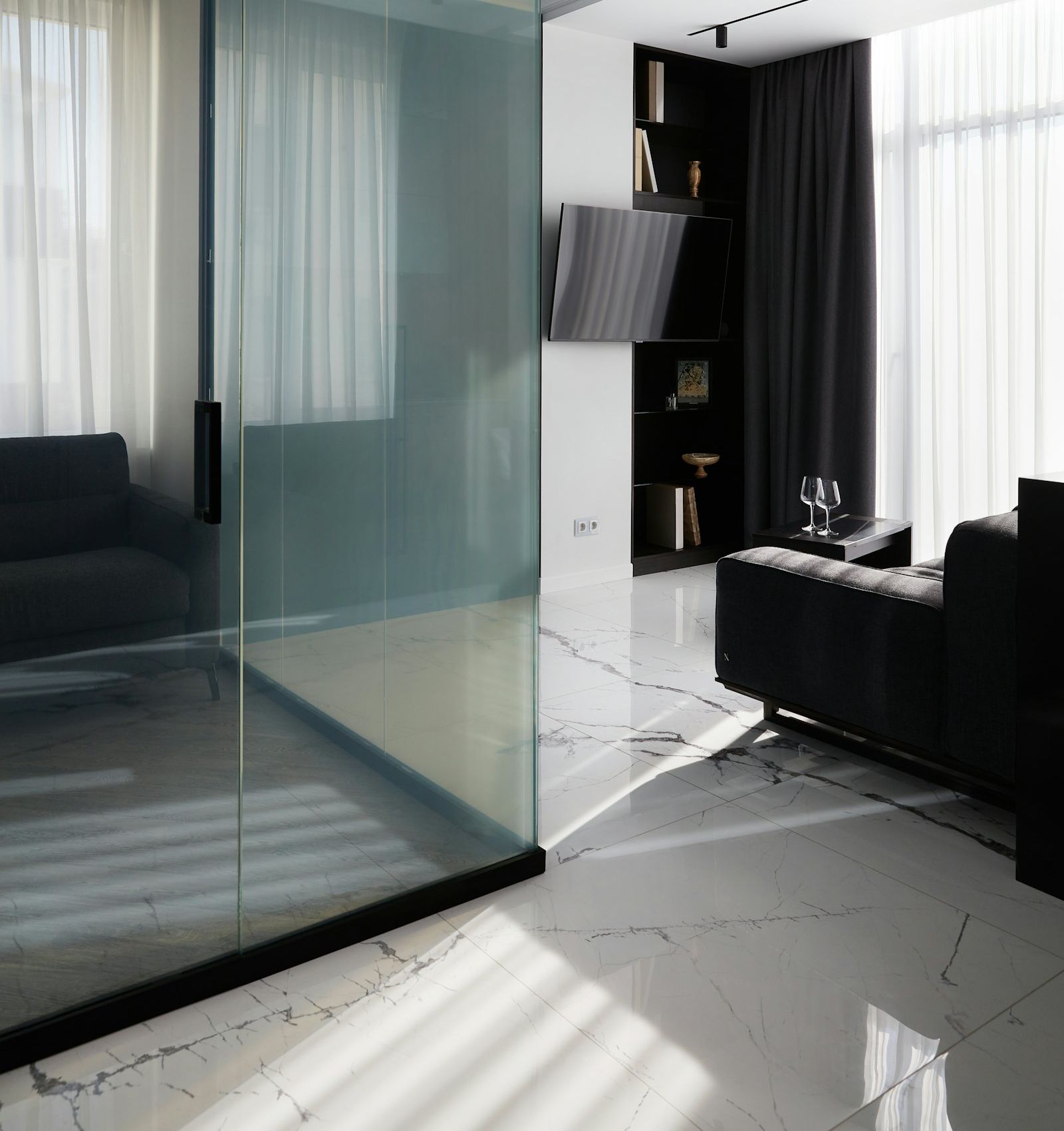
Why flatness matters
Big tile and click-lock floors don’t forgive a bad substrate
Large-format porcelain, long LVP planks, and engineered wood all need a flatter floor than older flooring did. Pour them over dips and humps and you get lippage, hollow spots, cracked tiles, and planks that separate or flex.
Self-leveling underlayment fixes that at the source: it fills the lows, flows to a flat plane, and gives your installer a smooth, sound surface to work on.
- Reduces tile lippage and hollow-sounding spots
- Helps click-lock LVP and laminate sit tight
- Smooths patched, ground, or demo-scarred slabs
- Brings rooms to a consistent elevation
How it works
Our 4-step leveling process
No guesswork. We measure, prep, pour, and hand back a floor that’s ready for finishes.
Assessment & Flatness Check
We map high and low spots with a laser level and straightedge, check slab condition and moisture, and confirm the flatness your flooring requires.
Clear scope before we pourSurface Preparation
Clean, diamond-grind as needed, repair cracks and joints, set dams and edges, and prime so the self-leveler bonds properly.
Grind · Repair · PrimePour / Pump SLU
Self-leveling underlayment is mixed to the manufacturer’s spec, then poured or pumped and spread to the target depth for a flat, smooth plane.
Concrete where depth requires itCure & Handoff
Typically walkable within hours. Floor coverings can usually go down in 24–48 hours, depending on the product and thickness.
Per manufacturer data sheet
Choosing the right fix
Self-leveling underlayment vs. concrete leveling pour
Most jobs need SLU. Some need concrete first. We’ll tell you which — and why — after we measure.
| Self-Leveling Underlayment | Concrete Floor Leveling | |
|---|---|---|
| Best for | Correcting flatness and smoothness over a sound existing floor | Deeper fills: sunken areas, step-downs, demo patches, raising elevations |
| Material | Polymer-modified cementitious underlayment | Concrete mix suited to the depth and area |
| Finish | Smooth, flat, finish-ready substrate | Raised base — often topped with SLU for final flatness |
| Ready for flooring | Typically 24–48 hrs, product-dependent | Longer — concrete needs more cure time before finishes |
| Not for | Structural repair or exterior slabs | Foundation repair or slab lifting |
Major cities
Self leveling concrete across Palm Beach County’s busiest cities
Dedicated local pages for the cities we hear from most — plus coverage in all 39 municipalities.
Service area
Every municipality in Palm Beach County
From Tequesta to Boca Raton and west to the Glades — we serve all 39 incorporated cities, towns, and villages in the county.
- Atlantis
- Belle Glade
- Boca Raton
- Boynton Beach
- Briny Breezes
- Cloud Lake
- Delray Beach
- Glen Ridge
- Golf
- Greenacres
- Gulf Stream
- Haverhill
- Highland Beach
- Hypoluxo
- Juno Beach
- Jupiter
- Jupiter Inlet Colony
- Lake Clarke Shores
- Lake Park
- Lake Worth Beach
- Lantana
- Loxahatchee Groves
- Manalapan
- Mangonia Park
- North Palm Beach
- Ocean Ridge
- Pahokee
- Palm Beach
- Palm Beach Gardens
- Palm Beach Shores
- Palm Springs
- Riviera Beach
- Royal Palm Beach
- South Bay
- South Palm Beach
- Tequesta
- Wellington
- West Palm Beach
- Westlake
We also serve unincorporated Palm Beach County communities such as The Acreage and Jupiter Farms. Not sure if you’re covered? Just ask.
View Service AreaGallery
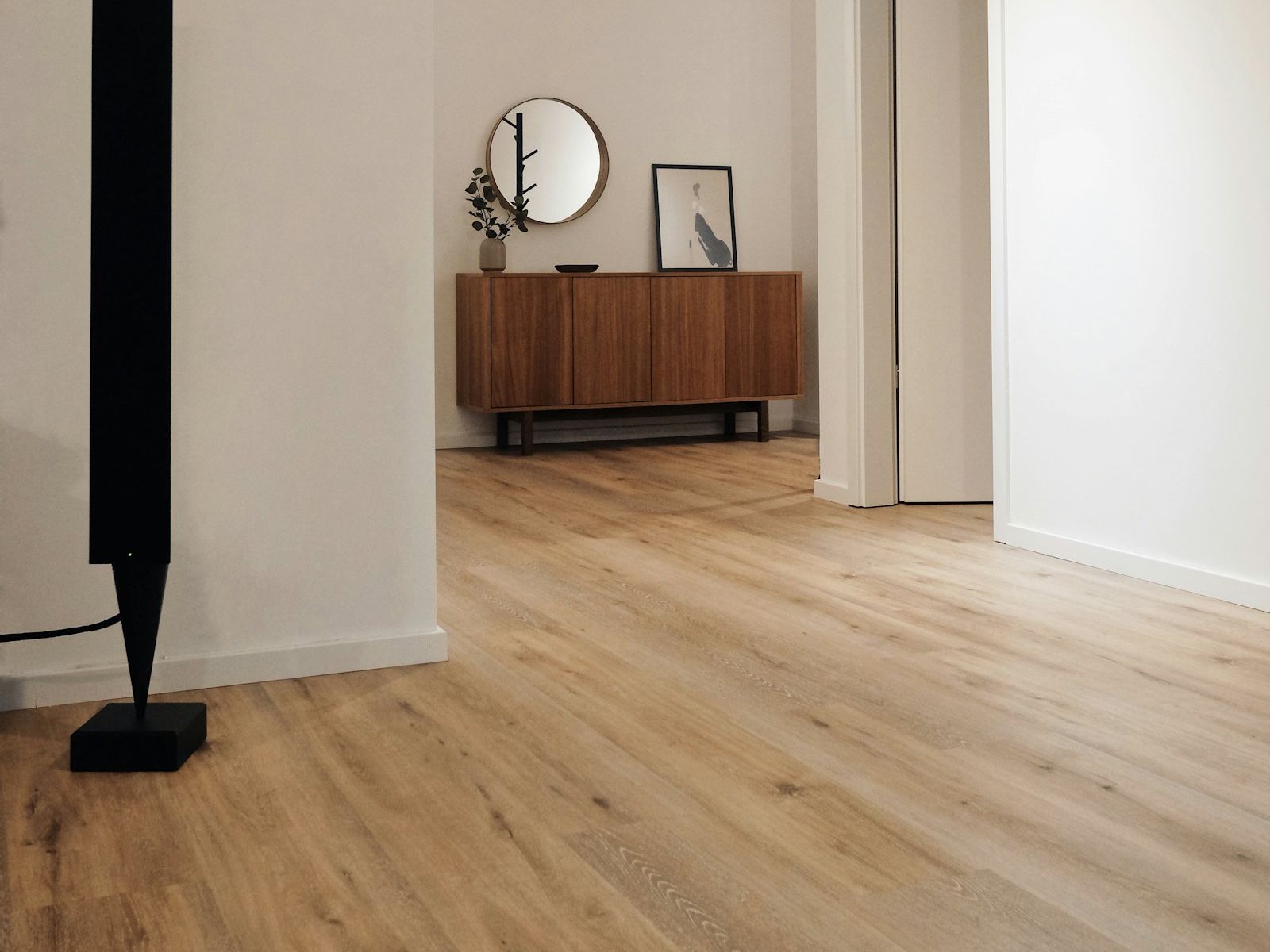
From rough substrate to finished floor
A look at the kind of work — and the kind of finished floors — leveling makes possible. See the full gallery.
Google reviews
Your feedback helps neighbors find us
We’re building our Google presence for Self Leveling South Florida. When you’ve had a good experience, search for Self Leveling South Florida on Google and leave a review — those reviews will appear here and on Google as customers share them. We don’t invent testimonials or star ratings.
Had a leveling job with us? Search “Self Leveling South Florida” on Google Maps or Google Search and share your experience. Questions first? Call (561) 968-8481 or request an estimate.
FAQ
Self-leveling questions, answered
What is self-leveling underlayment?
Self-leveling underlayment (SLU) is a polymer-modified cementitious material that’s mixed with water and poured or pumped over a prepared floor. It flows out and finds its own level, filling low spots and leaving a flat, smooth substrate for finish flooring. It’s often marketed as “self-leveling concrete,” but it’s an interior underlayment — not a structural slab.
Is “self-leveling concrete” the same as pouring a new slab?
No. Self-leveling underlayment goes on top of an existing, sound floor to correct flatness and smoothness before flooring is installed. It doesn’t replace or repair a structural slab or foundation. When a floor needs more build-up than an underlayment is designed for, we pour concrete to bring the elevation up first.
How soon can I walk on it and install flooring?
Most self-leveling underlayments are walkable within a few hours. Floor coverings can typically go down in about 24–48 hours, depending on the product, the thickness poured, and the flooring being installed. We follow the manufacturer’s data sheet for the specific product, and moisture-sensitive floor coverings may require testing before installation.
How flat does my floor need to be for large-format tile or LVP?
It depends on the flooring manufacturer. As a common reference, industry standards for tile with any edge 15 inches or longer call for the substrate to vary no more than 1/8 inch in 10 feet. Many LVP/LVT and engineered wood products publish their own flatness requirements. We check your floor against the requirement for the flooring you’ve chosen.
Do you check for moisture?
Yes. Moisture and slab condition are checked as part of our assessment, because they affect product selection, priming, and when floor coverings can go down.
What areas do you serve?
All 39 incorporated municipalities in Palm Beach County — from Tequesta and Jupiter down to Boca Raton, and west to Wellington, Westlake, and the Glades — plus unincorporated communities such as The Acreage and Jupiter Farms. See the full service-area list.
How do I get an estimate?
Use the estimate form or email info@selflevelingsouthflorida.com with the city, approximate square footage, the flooring you plan to install, and a few photos of the floor. We’ll follow up to schedule a free assessment.
*Cure and dry times vary by product, thickness, temperature, and humidity. We follow the manufacturer’s published data for each product we install.
Get a flat floor before the flooring goes down.
Send a few photos, the room size, and what flooring you’re installing. We’ll follow up to schedule a free on-site assessment anywhere in Palm Beach County.