Floor leveling services
Self Leveling Concrete, Underlayment & Floor Leveling
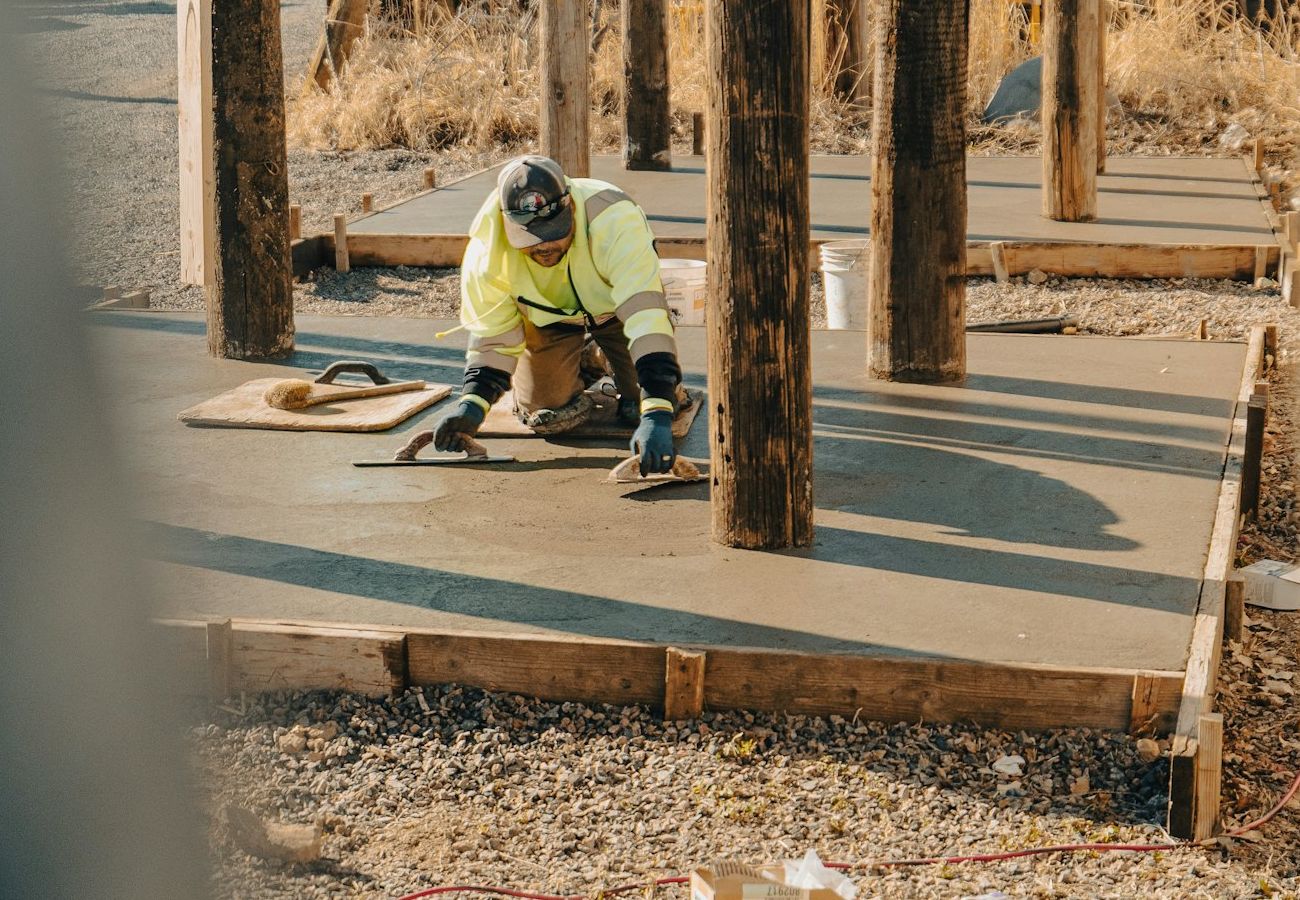
Self leveling concrete work for Palm Beach County: four services, one goal — a flat, sound substrate that meets your flooring manufacturer’s requirements.
Service 01
Self-Leveling Underlayment (SLU)Also called “self-leveling concrete”
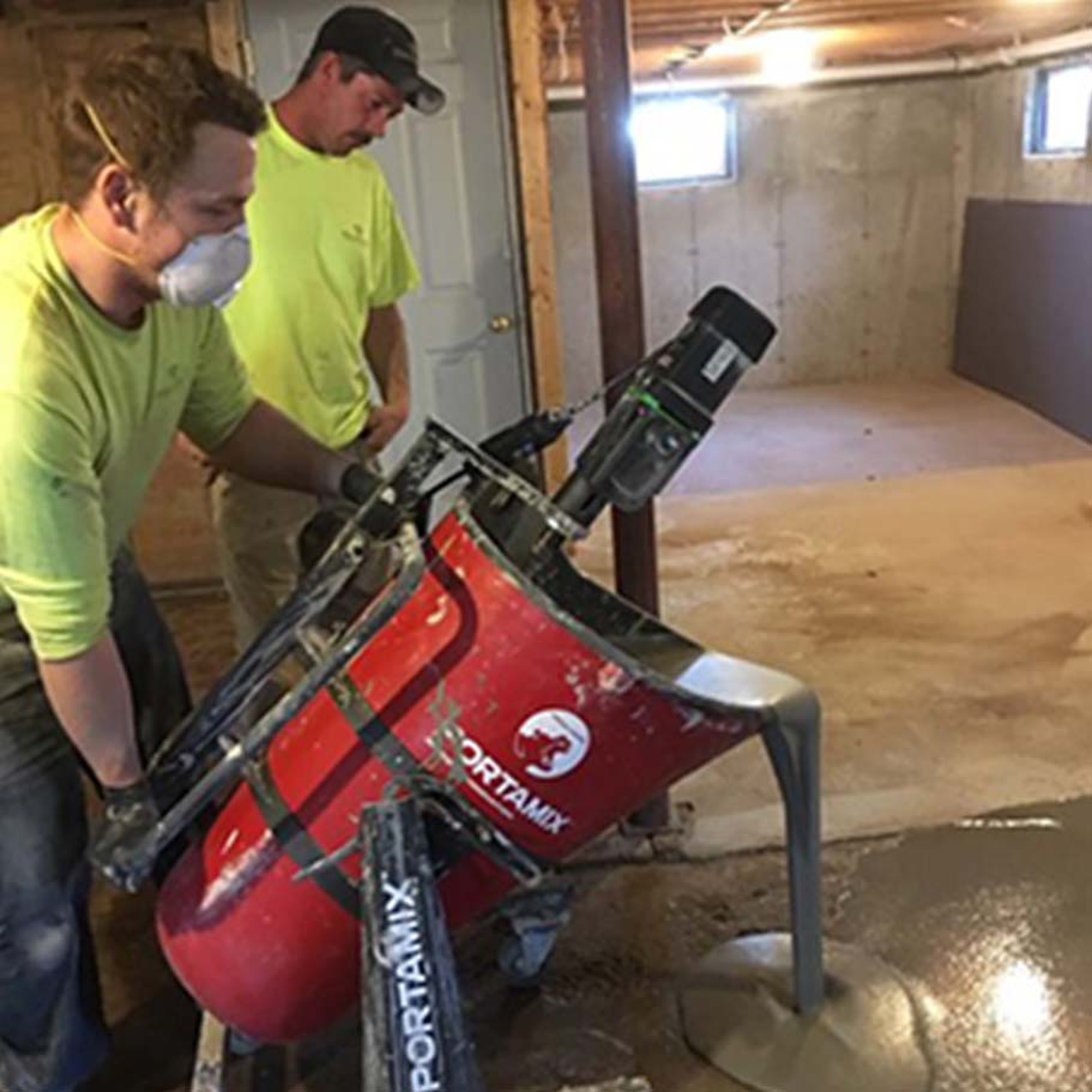
Self-leveling underlayment is a polymer-modified cementitious material that flows out after it’s poured, filling low spots and settling into a flat, smooth plane. It’s the industry-standard way to correct flatness on interior floors before finish flooring goes down.
Underlayment, not a new slab. You’ll often hear SLU called “self-leveling concrete.” It’s an interior underlayment installed over an existing, sound floor — not a structural slab pour and not a foundation repair.
- Corrects dips, humps, and uneven transitions
- Leaves a smooth surface for adhesives and floating floors
- Product selected for the depth needed — from thin skim coats to deeper fills
- Mixed, poured or pumped, and spread to target depth
- Typical use
- Interior floors before tile, LVP/LVT, VCT, wood
- Walkable
- Typically within a few hours
- Floor coverings
- Typically 24–48 hrs, product-dependent
- Prep required
- Clean, sound, primed substrate
Service 02
Concrete Floor LevelingRaise elevations · fill deep lows
Some floors are too far out of level for an underlayment alone. When there’s a significant drop to make up, we pour concrete where it’s needed to bring the floor up to elevation — then, when the finish requires it, top it with self-leveling underlayment for final flatness.
- Sunken areas and step-downs between rooms
- Infill after removed tubs, showers, walls, or fixtures
- Patching demo areas and trenches back to grade
- Matching elevations at additions and transitions
What this isn’t: We don’t do mudjacking, slab lifting, or foundation repair. Concrete floor leveling is about correcting the surface of an existing floor before finishes.
Service 03
Subfloor PreparationClean · grind · repair · prime
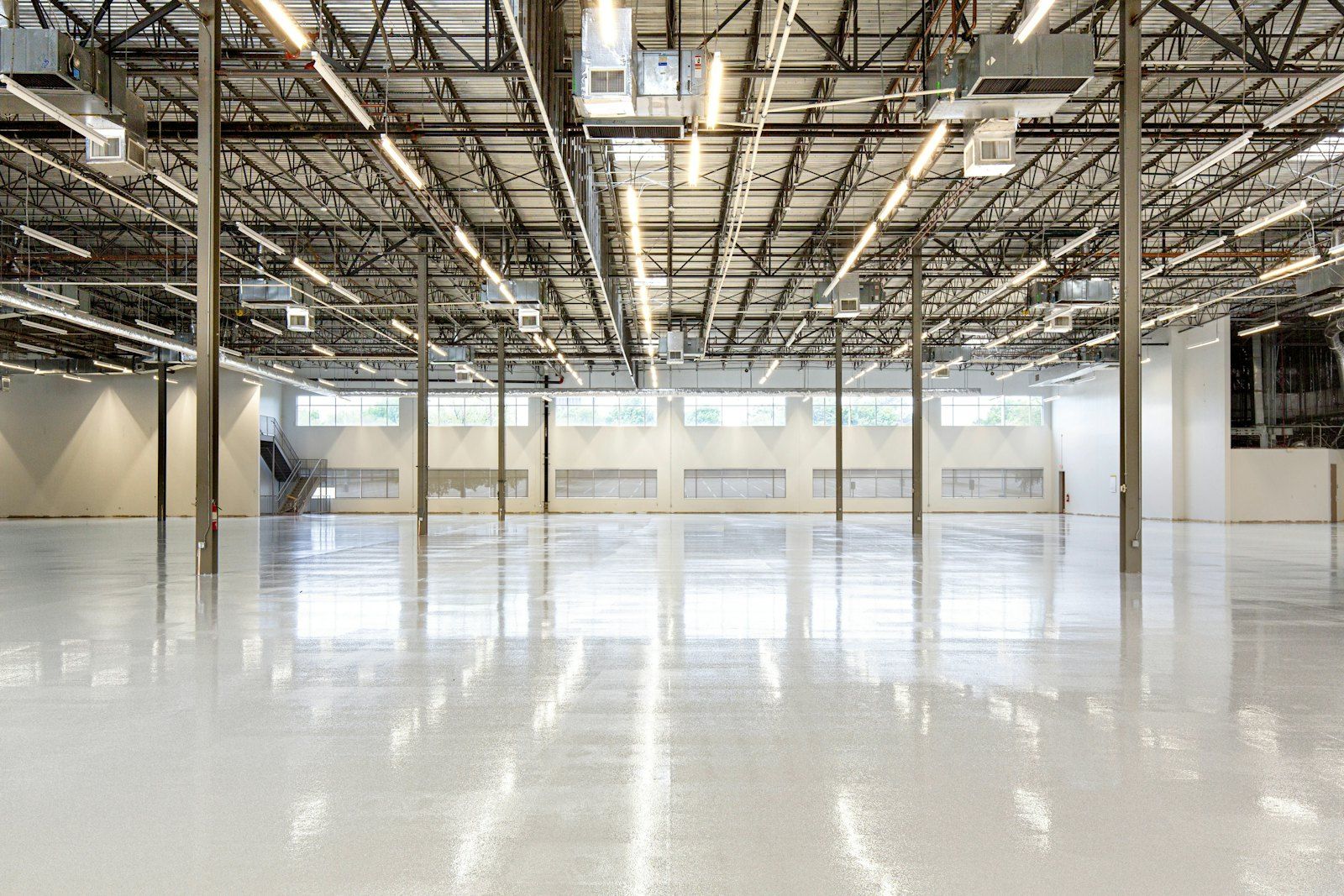
Self-leveler needs a clean, sound surface to bond to. Skipping prep is the most common reason leveling jobs fail — so it’s built into every job we do.
- Assessment of slab condition & moisture
- Removal of loose debris, dust, and contaminants
- Diamond grinding of high spots, adhesives, or residues as needed
- Crack and joint repair
- Perimeter dams and edge forms
- Primer applied per manufacturer’s instructions
Moisture is checked during the assessment because it affects product choice, priming, and when floor coverings can be installed.
Schedule an Assessment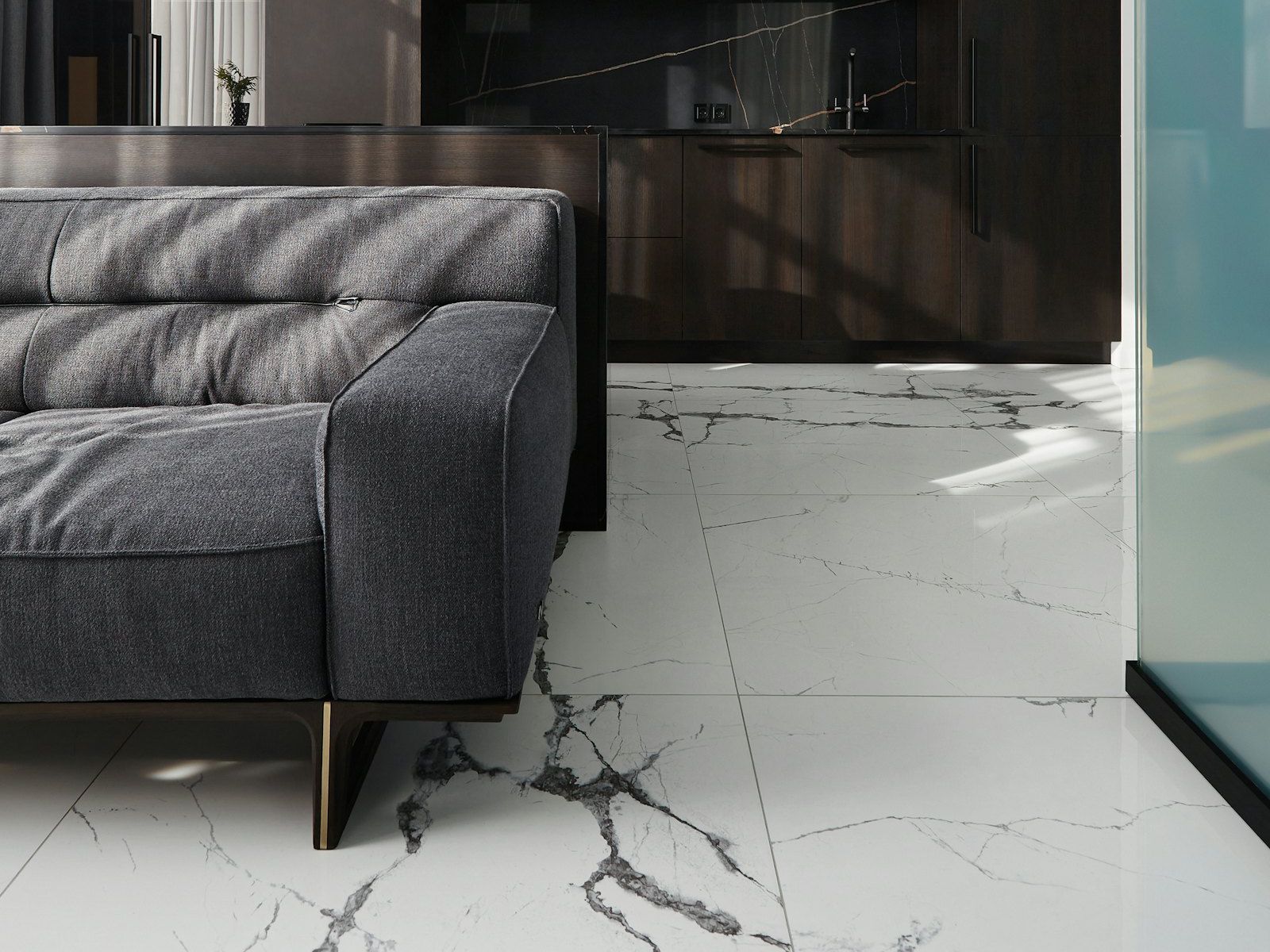
Service 04
Finish-Floor Substrate PrepReady for your flooring installer
Different floor coverings have different flatness tolerances. We find out what your flooring needs and level the substrate to meet it, so your installer can start on a floor that’s ready.
Reference point: industry standards for tile with any edge 15 in. or longer call for substrate variation of no more than 1/8 in. in 10 ft. Always confirm your flooring manufacturer’s published requirement.
Prep My FloorEvery job
How a leveling job runs
Assessment
Flatness check with laser and straightedge, slab condition and moisture review, flooring requirements confirmed.
Surface Prep
Clean, grind as needed, repair cracks and joints, set dams, and prime.
Pour / Pump
SLU mixed to spec and poured or pumped to depth; concrete first where a deeper fill is needed.
Cure
Walkable in hours; floor coverings typically in 24–48 hours depending on product.
Service FAQ
Common questions
What is self-leveling underlayment?
Self-leveling underlayment (SLU) is a polymer-modified cementitious material that’s mixed with water and poured or pumped over a prepared floor. It flows out and finds its own level, filling low spots and leaving a flat, smooth substrate for finish flooring. It’s often marketed as “self-leveling concrete,” but it’s an interior underlayment — not a structural slab.
Is “self-leveling concrete” the same as pouring a new slab?
No. Self-leveling underlayment goes on top of an existing, sound floor to correct flatness and smoothness before flooring is installed. It doesn’t replace or repair a structural slab or foundation. When a floor needs more build-up than an underlayment is designed for, we pour concrete to bring the elevation up first.
How soon can I walk on it and install flooring?
Most self-leveling underlayments are walkable within a few hours. Floor coverings can typically go down in about 24–48 hours, depending on the product, the thickness poured, and the flooring being installed. We follow the manufacturer’s data sheet for the specific product, and moisture-sensitive floor coverings may require testing before installation.
How flat does my floor need to be for large-format tile or LVP?
It depends on the flooring manufacturer. As a common reference, industry standards for tile with any edge 15 inches or longer call for the substrate to vary no more than 1/8 inch in 10 feet. Many LVP/LVT and engineered wood products publish their own flatness requirements. We check your floor against the requirement for the flooring you’ve chosen.
Can self-leveler go over an existing floor?
It depends on what’s there and its condition. Self-leveling underlayment needs a clean, sound, properly prepared surface. Coverings like carpet, loose or cracked tile, adhesives, and coatings that would interfere with bonding are typically removed or ground off first. We’ll tell you what needs to come up during the assessment.
Do you do foundation repair or slab lifting?
No. We level interior floor surfaces with self-leveling underlayment and poured concrete before finish flooring is installed. If a floor shows signs of structural movement, that should be evaluated by the appropriate structural professional first.
Get a flat floor before the flooring goes down.
Send a few photos, the room size, and what flooring you’re installing. We’ll follow up to schedule a free on-site assessment anywhere in Palm Beach County.